
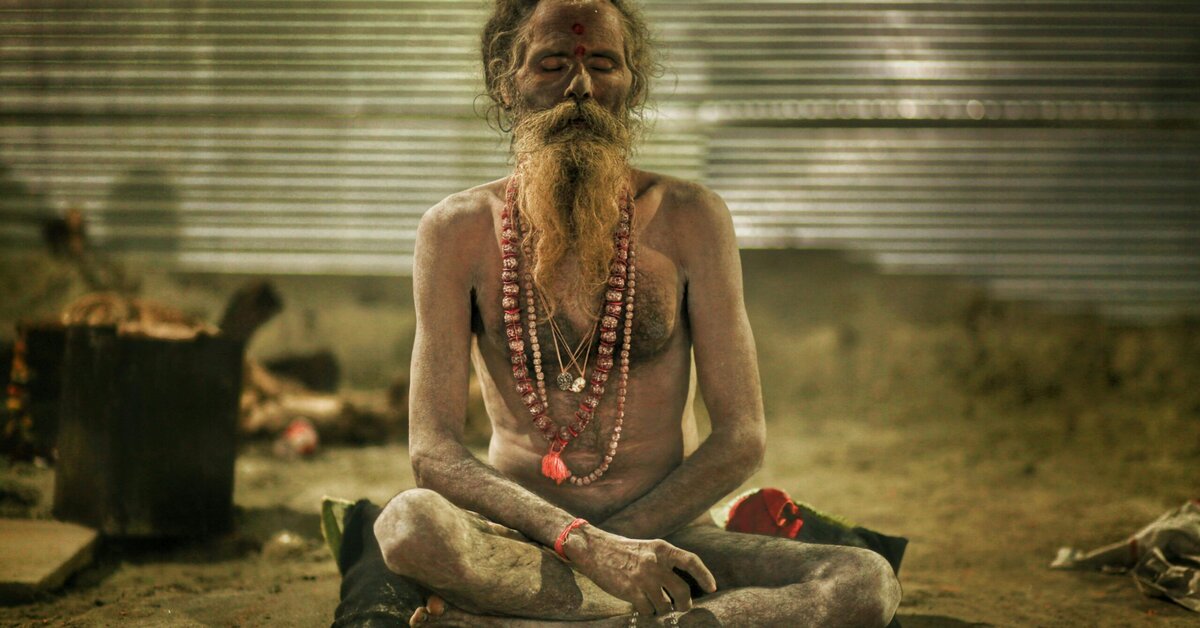
Varanasi Boat Routes That Give the Best Spiritual Views , Have you ever wondered what it feels like to float on sacred waters while ancient temples and spiritual seekers line the banks? In Varanasi, the Ganges isn’t just a river—it’s a living, breathing entity that carries the prayers, hopes, and dreams of millions. And the best way to truly experience this spiritual energy? From a boat.
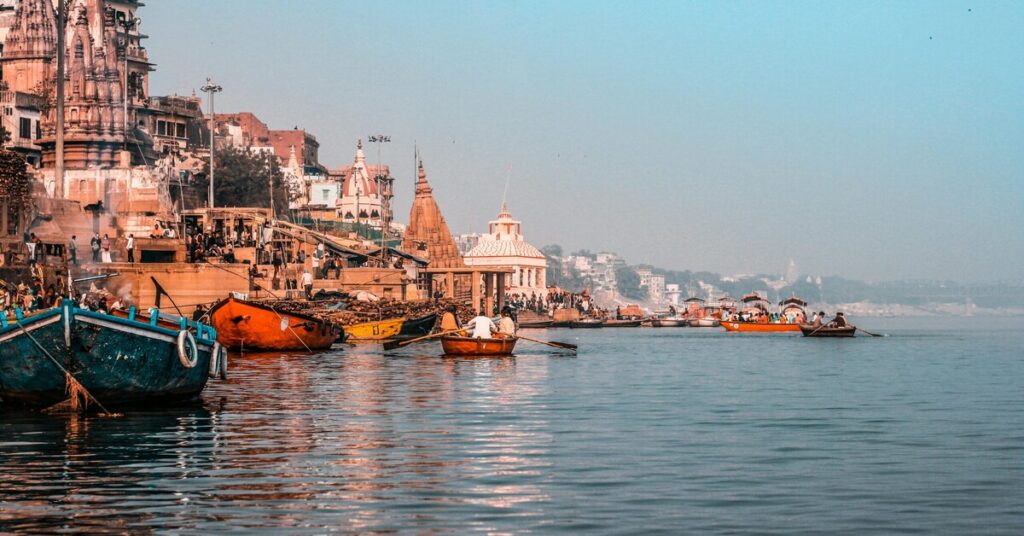
A boat ride on the Ganges offers something that walking the ghats simply cannot—perspective. From the water, you see Varanasi as it has been seen for thousands of years. The ghats unfold like pages of a spiritual manuscript, each one telling its own story of devotion, life, death, and rebirth.
In this comprehensive guide, we’ll explore the best boat routes in Varanasi that offer the most profound spiritual views. Whether you’re seeking the quiet serenity of sunrise or the electric energy of the evening aarti, we’ve got you covered.
Why Boat Rides Are Essential to the Varanasi Experience
A Unique Perspective of the Ghats
When you’re walking on the ghats, you’re part of the action—surrounded by vendors, priests, and fellow pilgrims. But from a boat, you become an observer. You see the bigger picture: the sweep of architecture, the flow of rituals, and the rhythm of life along the riverbank.
Spiritual Immersion on the Ganges
The Ganges is considered the most sacred river in Hinduism. Being on its waters is itself a spiritual act. Many believe that simply touching the Ganges can wash away sins. Imagine the spiritual significance of spending an hour gliding across its surface, absorbing its energy and witnessing centuries-old traditions.
Understanding Varanasi’s Ghat System
What Are Ghats?
Ghats are stepped embankments leading down to the river. They serve as venues for bathing, worship, cremation, and daily life. Each ghat has its own history, deity, and spiritual significance.
How Many Ghats Are There?
Varanasi has approximately 88 ghats stretching along the western bank of the Ganges. The main ghats span about 7 kilometers, making boat rides the most efficient way to see multiple ghats in one journey.
Best Times to Take a Boat Ride in Varanasi
Sunrise: The Golden Hour
Varanasi Boat Routes That Give the Best Spiritual Views , Early morning, between 5:30 AM and 7:00 AM, is when Varanasi is at its most magical. The soft golden light, the cool breeze, and the morning rituals create an atmosphere of pure spirituality. You’ll witness devotees taking holy dips, practicing yoga, and offering prayers to the rising sun.
Sunset: The Tranquil Twilight
Late afternoon boat rides (around 4:00 PM to 6:00 PM) offer a different kind of beauty. The harsh sunlight softens, the crowds thin out slightly, and there’s a peaceful quality to the air. The ghats take on warm, golden hues.
Evening: The Aarti Experience
The evening Ganga Aarti at Dashashwamedh Ghat (around 6:30 PM to 7:30 PM) is a spectacular ceremony. Watching it from a boat allows you to see the entire spectacle without dealing with the massive crowds on the ghat itself.
The Classic Route: Assi Ghat to Dashashwamedh Ghat
This is the most popular route and for good reason—it covers the heart of Varanasi’s spiritual landscape.
Starting Point: Assi Ghat
Assi Ghat is located at the confluence of the Assi and Ganges rivers. It’s a relatively peaceful ghat, popular with students, yogis, and long-term visitors. Starting here means you’ll journey northward along the most spiritually significant stretch of the river.
Key Ghats Along the Way
Tulsi Ghat
Named after the poet-saint Tulsidas, who wrote the Ramcharitmanas here, this ghat has a serene, scholarly atmosphere. The Tulsi Ghat temple is modest but significant.
Harishchandra Ghat
One of the two cremation ghats in Varanasi, Harishchandra is smaller and less visited than Manikarnika. Named after the legendary King Harishchandra, who worked here as a cremation ground keeper, this ghat reminds us of the eternal cycle of life and death.
Kedar Ghat
Home to the Kedareshwar Temple, this ghat is architecturally beautiful with its red and white striped building. It’s dedicated to Lord Shiva and is particularly significant for South Indian pilgrims.
Ending Point: Dashashwamedh Ghat
The most famous and busiest ghat in Varanasi. “Dashashwamedh” means “ten horse sacrifices,” referring to a mythological ritual performed by Lord Brahma. Today, it’s the venue for the spectacular daily Ganga Aarti.
The Extended Spiritual Route: Assi to Rajendra Prasad Ghat
Want a more comprehensive experience? Extend your journey northward beyond Dashashwamedh.
Why Go Beyond Dashashwamedh?
The northern ghats are equally significant but receive fewer tourists. This route gives you a more complete picture of Varanasi’s spiritual landscape.
Notable Ghats on This Route
Man Mandir Ghat
Famous for its stunning 18th-century observatory built by Maharaja Jai Singh II of Jaipur. The palace-turned-guesthouse features beautiful balconies and is an architectural highlight of any boat ride.
Mir Ghat
A quieter ghat with traditional old buildings and a more local atmosphere. You’ll see daily life unfolding here—clothes being washed, children playing, and families performing simple rituals.
The Sacred Cremation Route: Manikarnika and Harishchandra Ghats
Understanding the Significance
Hindus believe that being cremated in Varanasi, particularly at Manikarnika Ghat, ensures moksha—liberation from the cycle of birth and death. Cremations happen 24/7, making this one of the most intense spiritual sites in the world.
What to Expect
From your boat, you’ll see funeral pyres burning, families performing last rites, and the constant activity of cremation workers. Smoke rises constantly from the ghats, creating an otherworldly atmosphere.
Respectful Viewing Guidelines
Photography is strictly prohibited at cremation ghats. Maintain silence, avoid pointing, and remember you’re witnessing someone’s final journey. This is sacred ground, and respect is paramount.
The Peaceful Northern Route: Rajghat to Panchganga Ghat
Less Crowded, More Serene
If you prefer tranquility over tourist activity, consider booking a boat ride that focuses on the northern ghats. These areas see fewer boats and maintain a more authentic, local character.
Spiritual Highlights
The northern ghats include several temples, ashrams, and quiet bathing spots where local residents perform their daily rituals undisturbed by tourism.
Special Evening Aarti Route
Best Position for Viewing Ganga Aarti
Position your boat about 50-100 meters from Dashashwamedh Ghat. This distance gives you a full view of the seven priests performing the synchronized ritual while keeping you away from the boat traffic jam that forms too close to the ghat.
Timing and Booking Tips
Book your evening aarti boat ride at least a few hours in advance, especially during peak season. Arrive 30 minutes early to secure your position. Some boatmen offer special aarti packages that include a longer ride covering multiple ghats before settling in for the ceremony.
What You’ll See During Your Boat Ride
Morning Rituals and Holy Dips
At sunrise, you’ll witness thousands of devotees entering the Ganges for their ritual bath. Many perform surya namaskar (sun salutations) while standing in the water, offering prayers to the rising sun.
Yoga and Meditation Practitioners
Several ghats, especially Assi Ghat, have become gathering spots for yoga practitioners. You’ll see groups doing morning yoga sessions, meditation, and breathing exercises.
Temple Architecture
From the river, you get unobstructed views of the magnificent temples, palaces, and havelis that line the ghats. The architecture spans several centuries, from medieval temples to 18th-century Maratha palaces.
Daily Life Along the Ghats
Beyond the spiritual activities, you’ll see everyday life—people washing clothes (dhobis), children flying kites, barbers giving shaves, and vendors setting up their stalls. This blend of sacred and mundane is quintessentially Varanasi.
Types of Boats Available
Traditional Wooden Rowing Boats
These are the most authentic and peaceful option. The gentle rhythm of oars creates a meditative atmosphere. They’re slower but offer the most traditional experience.
Motor Boats
If you’re short on time or want to cover more ghats, motorboats are faster. However, they’re noisier and less conducive to meditation and reflection.
Private boats cost more (₹500-1500 depending on duration and time) but offer flexibility in route and timing. Shared boats are budget-friendly (₹100-300 per person) but follow fixed routes and schedules.
How to Choose Your Boat and Boatman
Negotiating Prices
Prices vary depending on time of day, duration, and season. Always negotiate before getting in the boat. Get clarity on exactly how long the ride will be and which route you’ll take.
Licensed vs. Unlicensed Operators
Licensed boatmen wear identification badges and are registered with the tourism department. They’re generally more reliable and knowledgeable about the ghats.
Safety Considerations
Check that the boat has life jackets, especially if traveling with children. Avoid overcrowded boats. The best boatmen prioritize safety and won’t rush or overload their vessels.
Tips for the Perfect Boat Ride Experience
What to Bring
- Light jacket for early morning rides (it can be chilly)
- Sunscreen and sunglasses for daytime rides
- Camera (but be mindful of where photography is appropriate)
- Water bottle
- Small bills for payment and offerings
- Modest clothing (shoulders and knees covered)
Photography Tips
Golden hour lighting (sunrise and sunset) provides the best photographs. Use a zoom lens to capture details without being intrusive. Always ask permission before photographing individuals, and never photograph cremation ghats.
Respectful Behavior on the River
Keep your voice low. Avoid loud music or disruptive behavior. If you wish to offer flowers or diyas to the river, your boatman can help arrange this. Don’t litter—the Ganges is sacred, and keeping it clean is everyone’s responsibility.
Spiritual Practices You Can Do on the Boat
Many visitors use boat time for meditation and prayer. You can bring flowers and floating diyas to offer to the river. Some boatmen are knowledgeable about the significance of each ghat and can guide you through informal prayers or mantras. The gentle rocking of the boat and the sound of water create a naturally meditative environment.
Real Experiences: Traveler Stories from the Ganges
“Our sunrise boat ride from Assi to Dashashwamedh was the highlight of our India trip. The silence, broken only by temple bells and prayers, was profoundly moving.”
— Sarah and Tom, Australia
“I was skeptical about the spiritual aspect, but watching the aarti from our boat, surrounded by candlelight and chanting, gave me goosebumps. It’s something you feel rather than just see.”
— Priya Sharma, Delhi
“Our boatman, Raju, had been rowing these waters for 40 years. His stories about each ghat added so much depth to the experience. Choose your boatman wisely!”
— Michael Chen, Singapore
Conclusion: Let the Ganges Guide Your Spiritual Journey
A boat ride on the Ganges is more than sightseeing—it’s a spiritual journey through time, faith, and human devotion. Each route offers its own unique perspective on Varanasi’s soul. Whether you choose the classic Assi to Dashashwamedh route, venture into the quieter northern ghats, or position yourself for the mesmerizing evening aarti, you’re participating in a tradition that spans millennia.
The Ganges has witnessed empires rise and fall, saints and seekers, pilgrims and philosophers. As you float on its waters, you become part of that eternal story. So choose your route, find a good boatman, and let the river reveal Varanasi’s spiritual heart to you—one ghat at a time.
FAQs
1. How long does a typical boat ride in Varanasi last?
Most boat rides last between 1 to 2 hours. Sunrise and sunset rides are usually shorter (1 hour), while extended routes or aarti packages can last up to 2-3 hours.
2. Can I book a boat ride in advance?
Yes, many hotels and tour operators offer advance booking. You can also book directly at the ghats, though arriving early is advisable during peak season
3. Is it safe to take a boat ride on the Ganges?
Yes, boat rides are generally safe when you choose licensed boatmen and boats with proper safety equipment. Avoid overcrowded boats and ensure life jackets are available.
4. What is the best route for first-time visitors?
The classic Assi Ghat to Dashashwamedh Ghat route at sunrise is perfect for first-timers. It covers the main spiritual highlights and offers the most authentic Varanasi experience.
5. Can I take a boat ride during monsoon season?
Boat rides are available year-round, but monsoon (July-September) can bring high water levels and strong currents. Check conditions and choose experienced boatmen during this season.



Comments are closed.